

EXPLORE
I BELIEVE. THEREFORE I AM.
This exhibition showcases the stories of people and communities who believed in the values of their communities and were strong in their faith in God.

Pastor András Szigethi and his wife, Magdolna Györkő, came from families labeled as class outsiders during the communist dictatorship. Their situation was made even harder by the fact that they lived in a restricted border zone near Tito’s Yugoslavia. They dealt with poverty and constant harassment from the state police.
András Szigethi as a graduating theology student in Budapest in 1954 (from the Szigethi family archives).
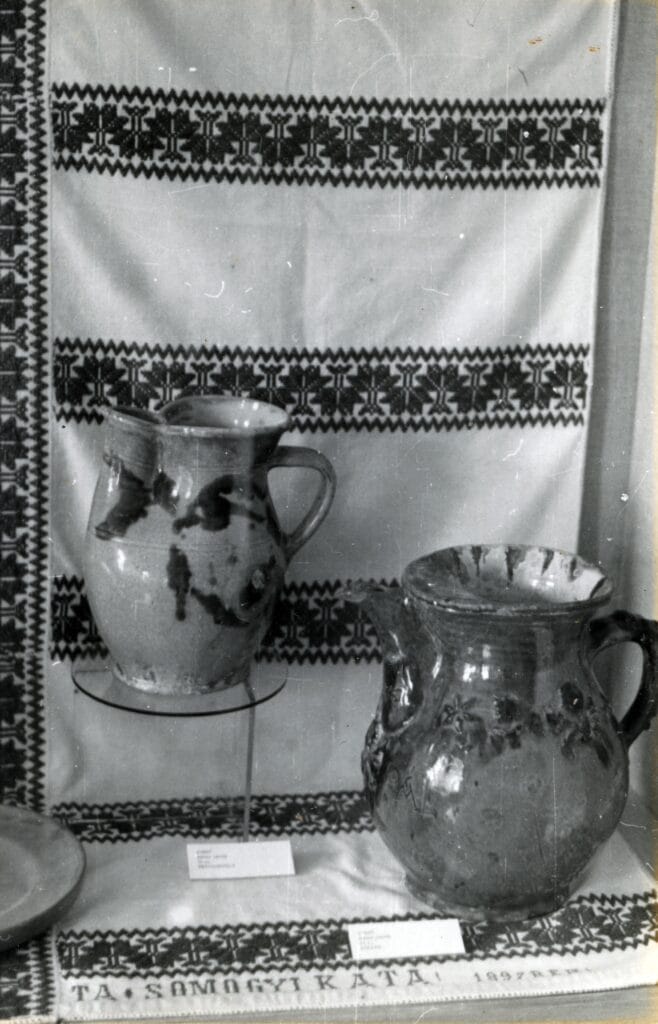
Still, they created an ecclesiastical art exhibition and an ethnographic collection in the parish. They believed these things mattered, even though the state tried to suppress those values. Their story is really about standing up for what they believed in.
Photo of a detail of the Ecclesiastical Art Collection (from the Szigeti family archives).
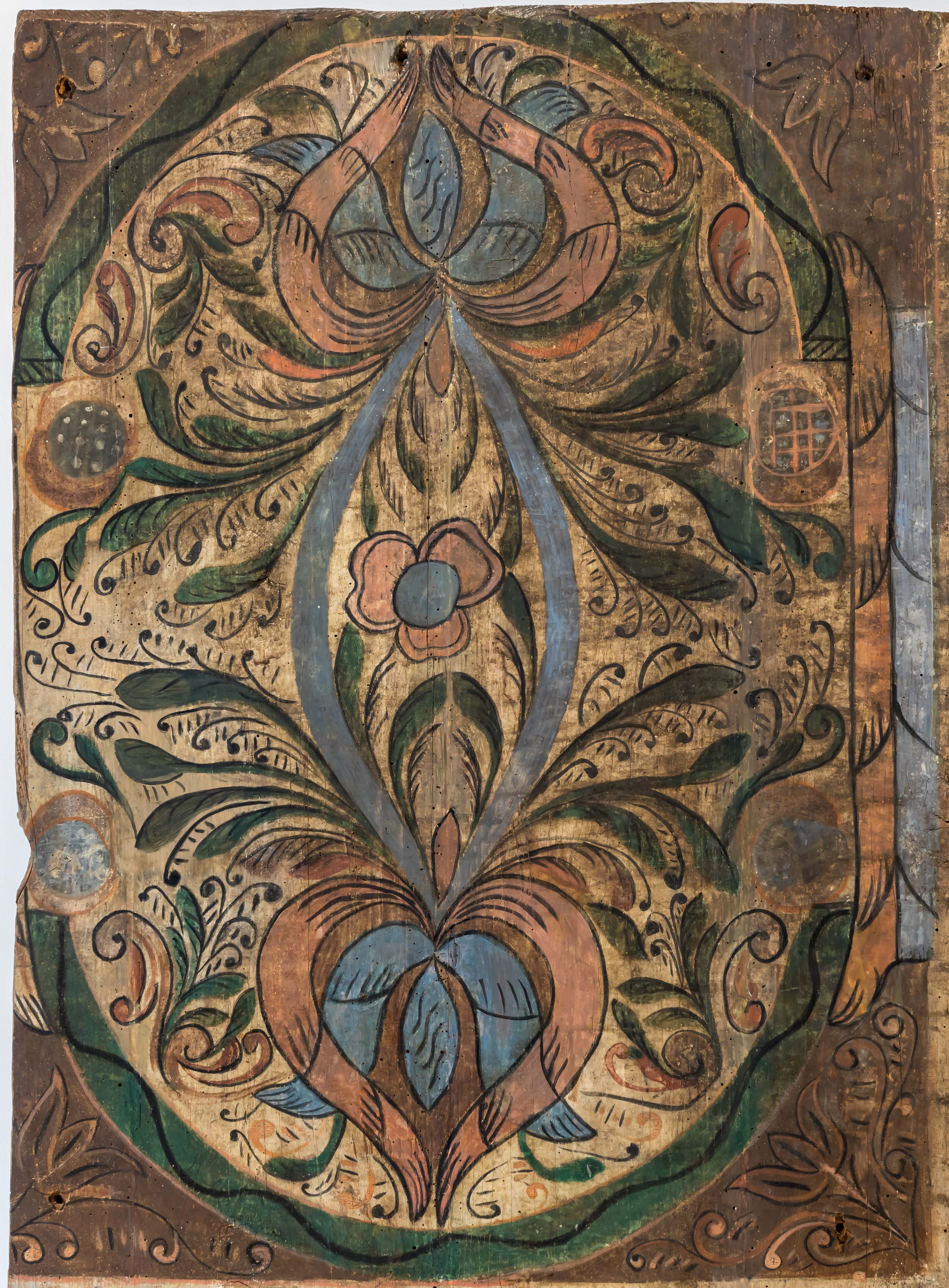
Having lost its original function, this painted coffering was recycled as wood material
Painted wooden coffer from a Reformed church, from the legacy of András Szigethi, first half of the 19th century.
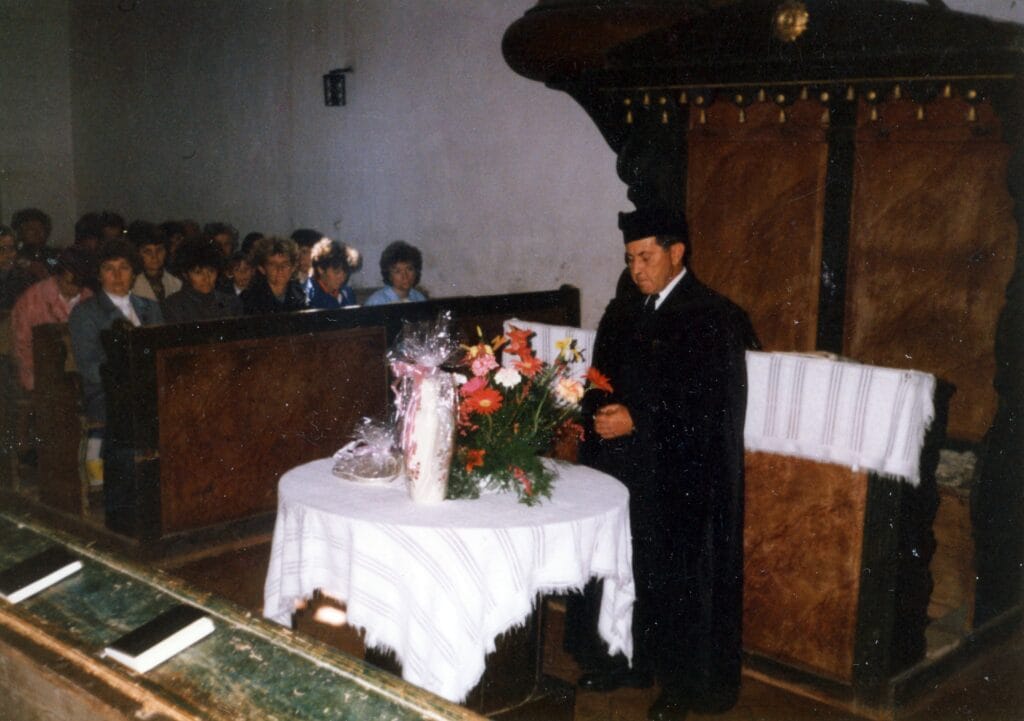
András Szigethi served the Reformed congregation in Kovácshida (Baranya County, Hungary) with deep faith and humility from 1953 until his death in 1993. His ashes were laid to rest at the church where he had served, in a wall niche that is still cared for and decorated with love.
András Szigethi preaches at his place of service, Kovácshida (from the Szigethi family archives).
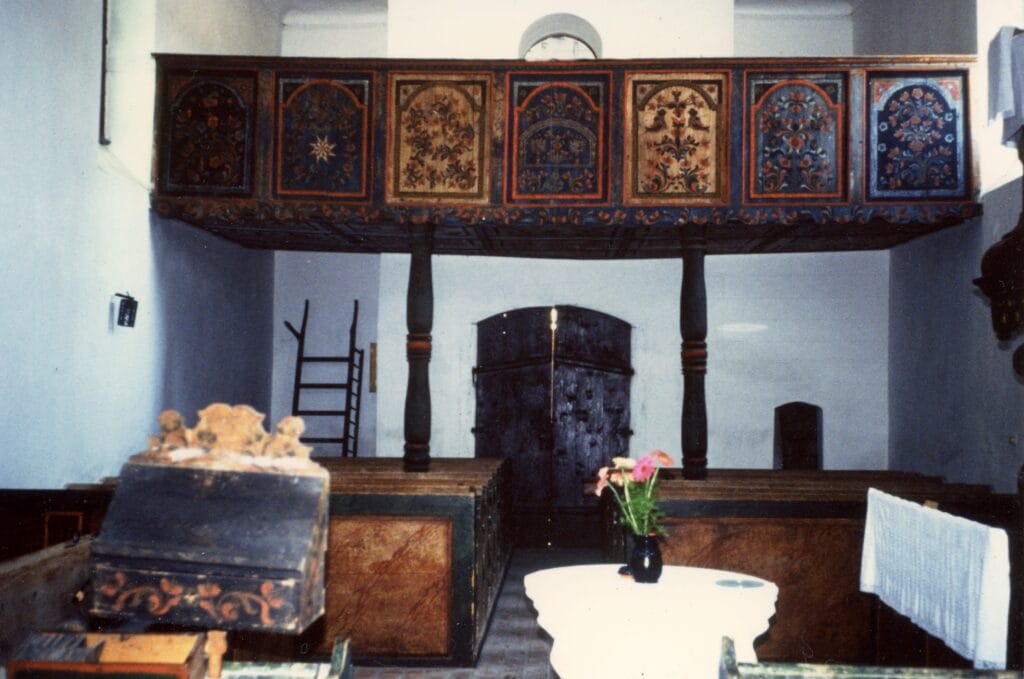
The gallery of the Kovácshida church (from the Szigethi family archives).
